

In the realm of technology, few advancements have been as transformative as the emergence and evolution of cloud computing. Over the past few decades, cloud computing has revolutionized the way businesses operate, individuals access data, and developers build applications. From its humble beginnings as a buzzword to its current status as a cornerstone of modern IT infrastructure, the journey of cloud computing has been marked by innovation, adaptation, and constant evolution.
In this blog post, we’ll explore the remarkable journey of cloud computing, from its early days to the latest trends and innovations shaping its future.
The Genesis of Cloud Computing
The concept of cloud computing can be traced back to the 1960s when computer scientist J.C.R. Licklider first proposed the idea of an “Intergalactic Computer Network” that would allow people to access data and programs from anywhere in the world. However, it wasn’t until the early 2000s that cloud computing truly began to take shape.

Companies like Amazon, Google, and Salesforce played pivotal roles in popularizing cloud computing by offering scalable and cost-effective services such as Infrastructure as a Service (IaaS), Platform as a Service (PaaS), and Software as a Service (SaaS). These services allowed businesses to offload their IT infrastructure and focus on their core competencies while also democratizing access to technology for individuals and smaller organizations.
Key Trends Shaping Cloud Computing Today
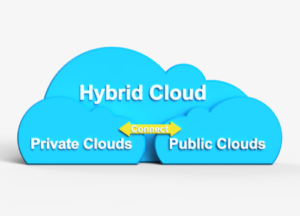
Hybrid and Multi-Cloud Adoption: As organizations seek to optimize performance, scalability, and cost-efficiency, hybrid and multi-cloud architectures have become increasingly popular. By combining on-premises infrastructure with public and private cloud services, businesses can leverage the strengths of different cloud providers while mitigating risks associated with vendor lock-in and data sovereignty.
Edge Computing: The proliferation of Internet of Things (IoT) devices and the need for real-time data processing have propelled the rise of edge computing. Edge computing involves processing data closer to the source, reducing latency and bandwidth usage. Cloud providers are expanding their offerings to include edge computing capabilities, enabling organizations to analyze and act on data in near real-time.
Serverless Computing: Serverless computing, also known as Function as a Service (FaaS), abstracts away the underlying infrastructure, allowing developers to focus solely on writing code. With serverless architectures, organizations can scale their applications automatically, paying only for the compute resources used during execution. This paradigm shift is driving increased agility and cost savings for businesses of all sizes.

Artificial Intelligence and Machine Learning: Cloud providers are investing heavily in artificial intelligence (AI) and machine learning (ML) services, democratizing access to advanced analytics and predictive capabilities. These services enable organizations to extract valuable insights from their data, automate repetitive tasks, and drive innovation across various industries.
Future Directions and Innovations
Looking ahead, several trends and innovations are poised to shape the future of cloud computing:
Quantum Computing: While still in its infancy, quantum computing has the potential to revolutionize the field of cloud computing by solving complex problems that are currently intractable for classical computers. Cloud providers are beginning to experiment with quantum computing services, laying the groundwork for the next generation of computational capabilities.

Blockchain Integration: Blockchain technology is finding applications beyond cryptocurrencies, with potential use cases in supply chain management, identity verification, and secure data sharing. Cloud providers are exploring ways to integrate blockchain into their offerings, providing customers with enhanced security, transparency, and trust.

Zero Trust Security: In an era of increasing cyber threats, the traditional perimeter-based security model is no longer sufficient. Zero Trust security principles, which assume that no entity, whether inside or outside the network, should be trusted by default, are gaining traction. Cloud providers are incorporating Zero Trust principles into their architectures, employing techniques such as micro-segmentation, identity-based access controls, and continuous authentication to enhance security posture.
Conclusion
The evolution of cloud computing has been nothing short of remarkable, transforming the way we work, communicate, and innovate. From its humble beginnings to its current status as a driving force behind digital transformation, cloud computing continues to push the boundaries of what’s possible in the world of technology.
As we look to the future, cloud computing will undoubtedly play a central role in shaping the digital landscape, driving innovation, and enabling organizations to thrive in an increasingly complex and interconnected world. By staying abreast of the latest trends and innovations, businesses can harness the full potential of cloud computing to drive growth, efficiency, and competitiveness in the years to come.