

As remote work continues to be a mainstay for many organizations, ensuring secure remote access to company resources has never been more critical. Cybersecurity threats have evolved, necessitating robust strategies to protect sensitive data accessed from various locations and devices. This blog outlines four key components of secure remote access: Two-Factor Authentication (2FA) or Multi-Factor Authentication (MFA), Virtual Private Networks (VPNs), access control measures, and the importance of audit logs.
Two-Factor Authentication (2FA) or Multi-Factor Authentication (MFA)
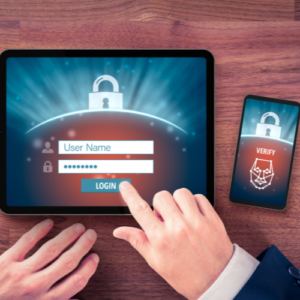
Two-Factor Authentication (2FA) and Multi-Factor Authentication (MFA) are essential security measures that add layers of protection when accessing company resources remotely. 2FA requires users to provide two forms of verification, typically something they know (password) and something they have (like a mobile device). MFA goes a step further by incorporating additional factors, such as biometric verification or security questions.
Implementing 2FA or MFA significantly reduces the risk of unauthorized access. Even if a password is compromised, the additional verification step acts as a safeguard, ensuring that only authorized users can access sensitive information. Organizations should prioritize enabling 2FA or MFA across all remote access platforms to bolster their security posture.
Virtual Private Networks (VPNs)
A Virtual Private Network (VPN) is a crucial tool for secure remote access. By creating a secure, encrypted connection between a user’s device and the company’s network, VPNs protect data from interception by cybercriminals, especially on unsecured public Wi-Fi networks.
When employees connect to the corporate network via a VPN, their internet traffic is encrypted, making it much more difficult for malicious actors to access sensitive information. Organizations should mandate the use of VPNs for all remote work to ensure that data remains secure while in transit.
Additionally, businesses should choose VPN solutions that offer robust security features, such as split tunneling, secure tunneling protocols, and the ability to block traffic from known malicious IP addresses.
Access Control
Implementing stringent access control measures is vital for securing remote access. Access controls determine who can access what data and under what circumstances. By employing Role-Based Access Control (RBAC), organizations can restrict access based on employees’ roles, ensuring that users only have access to the information necessary for their job functions.
Additionally, organizations should adopt the Principle of Least Privilege (PoLP), which limits user access to the bare minimum required. Regularly reviewing and updating access permissions is crucial, especially when employees change roles or leave the organization. This practice helps mitigate the risks of unauthorized access and data breaches.
Audit Logs
Audit logs are an essential component of remote access security, providing a detailed record of user activities. These logs can help organizations monitor access to sensitive data and detect any unusual or suspicious behavior in real-time.
Regularly reviewing audit logs enables IT teams to identify potential security incidents and respond quickly to mitigate threats. Furthermore, maintaining detailed logs assists in compliance with regulations and internal policies, providing evidence of security measures in place.
Organizations should invest in centralized logging solutions that can aggregate logs from various remote access tools, making it easier to analyze user activity and generate reports for audits.

Conclusion
As remote work becomes a permanent fixture in today’s business landscape, ensuring secure remote access is imperative. By implementing robust security measures such as 2FA or MFA, utilizing VPNs, enforcing strict access controls, and maintaining comprehensive audit logs, organizations can significantly enhance their remote access security posture. At iTRINITY Consulting, we are committed to helping businesses navigate the complexities of remote access security and develop strategies to protect their valuable data. Prioritize secure remote access today to safeguard your organization’s information in an ever-evolving cyber threat landscape!