
Bioinformatics is an interdisciplinary field that combines biology, computer science, and information technology to analyze and interpret biological data. The main goal of bioinformatics is to derive meaningful insights from large sets of biological data, such as DNA sequences, protein structures, and gene expression profiles. Here’s a breakdown of key concepts in bioinformatics:
Data Collection:
Genomic Data
This includes DNA sequences, which contain the genetic instructions for building and maintaining living organisms.

Proteomic Data
Information about the structure and function of proteins, which are crucial molecules in the body.
Transcriptomic Data
Data related to gene expression, showing which genes are turned on or off in specific conditions.
Data Storage and Management:
Bioinformatics involves the storage and organization of massive biological datasets. Databases and bioinformatics tools are used to manage this information efficiently.

Sequence Analysis:
One of the fundamental tasks in bioinformatics is the analysis of DNA, RNA, and protein sequences. This involves comparing sequences, identifying patterns, and predicting functions.
Structural Bioinformatics:
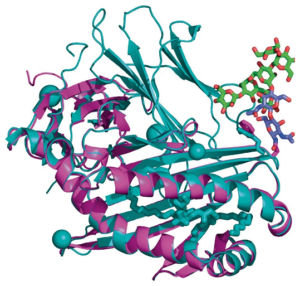
Focuses on the three-dimensional structures of biological molecules, such as proteins and nucleic acids. Understanding these structures is crucial for predicting their functions and interactions.
Functional Annotation:
Assigning functions to genes and proteins based on experimental data or computational predictions. This helps in understanding the role of specific genes in biological processes.
Comparative Genomics:
Comparing the genomes of different species to identify similarities and differences. This can provide insights into evolutionary relationships and help understand the genetic basis of specific traits.
Systems Biology:
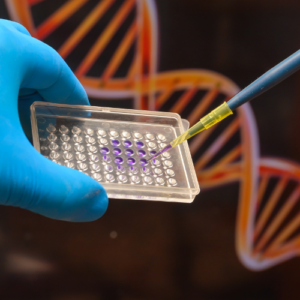
Studying biological systems as a whole, considering the interactions and relationships between different components. This approach aims to understand how individual components work together to form a functioning system.
Data Visualization:
Presenting biological data in a visual format to aid in interpretation. Visualization tools help researchers identify patterns and trends in large datasets.
Machine Learning and Data Mining:
Applying computational methods, including machine learning algorithms, to analyze biological data. These methods can identify patterns and make predictions based on the data.

Biological Databases:
Repositories of biological information, such as GenBank for DNA sequences, Protein Data Bank (PDB) for protein structures, and various other databases that store information about genes, pathways, and interactions.
Bioinformatics plays a crucial role in genomics, personalized medicine, drug discovery, and various other areas of biological research. It enables researchers to process and interpret vast amounts of biological data, contributing to our understanding of living organisms at the molecular level.