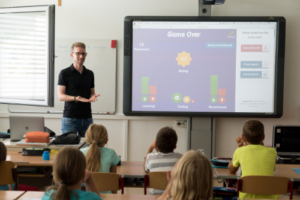
In recent years, the integration of technology into education has sparked a debate about whether digital tools can fully replace traditional teachers. While technology has transformed the way we learn and access information, the question remains: can it truly take the place of human educators? Let’s explore the potential and limitations of technology in education and its impact on the teaching profession.
The Rise of EdTech: A Revolutionary Shift
The advent of educational technology (EdTech) has revolutionized the learning landscape. From interactive apps and online courses to artificial intelligence (AI) tutors and virtual classrooms, technology has made education more accessible and personalized. Students can now learn at their own pace, revisit difficult concepts, and access a wealth of resources at their fingertips.

The Benefits of Technology in Education
- Personalized Learning: AI-driven platforms can tailor educational content to individual learning styles and paces, offering a customized learning experience.
- Accessibility: Online education makes learning opportunities available to people regardless of their geographic location, socio-economic status, or physical abilities.

- Engagement: Interactive tools and multimedia resources can make learning more engaging and fun, helping to maintain student interest and motivation.
- Efficiency: Technology can automate administrative tasks, allowing teachers to focus more on instruction and student interaction.
The Human Touch: Irreplaceable Aspects of Teaching
Despite the many advantages of EdTech, there are aspects of teaching that technology cannot replicate:
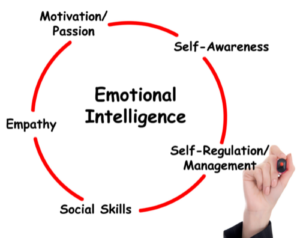
- Emotional Intelligence: Teachers provide emotional support, encouragement, and understanding that technology cannot mimic. They can respond to students’ feelings, foster a positive classroom environment, and build relationships.
- Adaptability: Human teachers can adapt their teaching methods in real-time based on student reactions and classroom dynamics, something AI and algorithms are not yet capable of.
- Critical Thinking and Discussion: Teachers facilitate in-depth discussions, critical thinking, and problem-solving, guiding students to develop these essential skills.
- Mentorship: Educators serve as mentors and role models, offering guidance and inspiration beyond academic content.

The Hybrid Approach: A Balanced Future
The future of education likely lies in a hybrid approach, where technology complements rather than replaces human teachers. Blended learning models, which combine traditional teaching with digital tools, can offer the best of both worlds. Teachers can leverage technology to enhance their instruction, provide additional resources, and create a more dynamic learning environment.
Conclusion: Collaboration Over Replacement
While technology has the potential to transform education, it cannot replace the invaluable human element that teachers bring to the classroom. The most effective educational experiences are likely to be those that blend the strengths of both technology and human teaching. By embracing this collaborative approach, we can create a more inclusive, engaging, and effective educational system for all.