
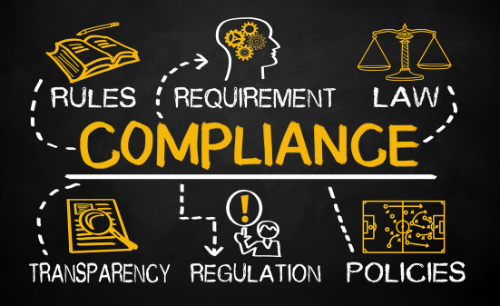
Compliance costs refer to the expenses incurred by organizations to ensure compliance with relevant laws, regulations, and industry standards related to cybersecurity. These costs include:
Staff training and education
Organizations need to invest in cybersecurity training and education programs for employees to enhance their awareness and knowledge about cyber threats and best practices for secure data handling. This helps prevent potential breaches and avoid costly cyber incidents.

Security assessments and audits
Regular security assessments and audits are essential for identifying vulnerabilities and ensuring compliance with regulations and standards. These assessments may involve hiring external firms or deploying in-house resources to conduct thorough examinations of the organization’s systems, networks, and processes, which can incur significant costs.

Implementation of security controls
To comply with cybersecurity regulations, organizations need to invest in the implementation and maintenance of security controls like firewalls, intrusion detection systems, encryption, and access controls. The costs associated with acquiring, deploying, and updating these technologies can be substantial.

Data protection measures
Compliance with data protection laws often requires organizations to implement robust measures like data encryption, backups, and secure data destruction procedures. This may involve investing in specialized tools, software, and infrastructure to safeguard sensitive information and maintain compliance.
Reporting and documentation
Organizations are often required to maintain detailed records and documentation of their cybersecurity practices and incident response procedures. This includes documentation of security policies, incident logs, and compliance reports. The costs associated with documenting and reporting these activities can add up, especially for organizations that are subject to multiple regulations and standards.

External compliance certifications
Some organizations opt to obtain external certifications such as ISO 27001, SOC 2, or PCI DSS to demonstrate their compliance with certain cybersecurity standards. These certifications involve rigorous audits and assessments conducted by third-party organizations, which can result in significant costs.
Legal and regulatory consulting
Organizations may need to seek legal and regulatory advice to ensure compliance with rapidly evolving cybersecurity laws and regulations. These consultations can help organizations stay up to date with changing requirements and avoid costly penalties for non-compliance.

Insurance premiums
Cyber insurance is becoming increasingly common as a means of transferring the financial risk associated with cyber incidents. Organizations may need to pay premiums for cyber insurance coverage, which can vary based on factors such as the size of the organization, industry, and risk profile.
Overall, compliance costs can be significant for organizations, especially those operating in highly regulated industries. However, these costs are necessary to mitigate the risks of cybercrime and protect sensitive data, ultimately avoiding potentially far greater costs associated with data breaches, legal ramifications, and reputational damage.