

Following the global shift to remote work, organizations worldwide have embraced this new norm. While remote work offers flexibility and efficiency, it also exposes organizations to cybersecurity risks. With employees connecting to corporate networks from home, vulnerabilities arise, inviting malicious actors to exploit them. To protect sensitive data and ensure business continuity, companies must implement tailored cybersecurity measures for remote work challenges.
Understanding the Landscape of Threats
The transition to remote work has significantly expanded the attack surface for cybercriminals. From phishing scams and ransomware attacks to insecure Wi-Fi connections and unsecured personal devices, there are myriad entry points for hackers to infiltrate corporate networks. Moreover, the blurring of lines between personal and professional activities further complicates matters, as employees may inadvertently expose sensitive information through careless online behavior.
Implementing a Multi-Layered Defense Strategy
Given the diverse nature of cyber threats, a multi-layered defense strategy is essential for mitigating risks effectively. This approach involves combining various security measures to create overlapping layers of protection. Key components of such a strategy include:
Endpoint Security
Deploying robust antivirus software and endpoint detection and response (EDR) solutions to safeguard devices against malware and other malicious activities.
Secure Access Controls
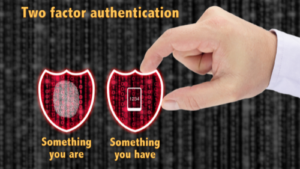
Implementing strong authentication mechanisms such as multi-factor authentication (MFA) to ensure that only authorized users can access sensitive systems and data.
Secure Remote Access Solutions
Utilizing virtual private networks (VPNs) and secure remote desktop solutions to encrypt communications and protect data in transit.
Employee Education and Training
Providing comprehensive cybersecurity awareness training to employees to help them recognize and avoid common threats such as phishing attacks.

Securing Home Networks
Home networks often lack the robust security measures found in corporate environments, making them attractive targets for cybercriminals. To mitigate this risk, employees should be encouraged to:
Update Router Firmware
Regularly updating router firmware can patch known vulnerabilities and improve overall security.

Use Strong Passwords
Encouraging the use of complex, unique passwords for Wi-Fi networks and router logins can help prevent unauthorized access.
Enable Encryption
Activating Wi-Fi encryption protocols such as WPA2 or WPA3 can protect network traffic from interception by unauthorized parties.
Monitoring and Incident Response
Despite best efforts to prevent breaches, no organization is immune to cyber attacks. Therefore, it’s essential to establish robust monitoring and incident response protocols to detect and mitigate security incidents promptly. This may involve:
Continuous Monitoring
Implementing automated systems to monitor network traffic and detect anomalous behavior indicative of a security breach.
Incident Response Plan
Developing a comprehensive incident response plan outlining the steps to be taken in the event of a security incident, including containment, eradication, and recovery procedures.
Regular Testing and Evaluation
Conducting regular penetration testing and security assessments to identify weaknesses in existing defenses and address them proactively.
In conclusion, the shift to remote work has fundamentally transformed the cybersecurity landscape, presenting new challenges and risks for organizations of all sizes. By adopting a proactive approach to cybersecurity and implementing robust protection measures tailored to the realities of remote work, businesses can minimize the risk of data breaches and ensure the security and integrity of their digital assets. With cyber threats evolving rapidly, vigilance and adaptability are key to staying one step ahead of malicious actors in the age of remote work.