
In an era where cyber threats are becoming increasingly sophisticated and frequent, the need for robust cybersecurity measures is more critical than ever. Ethical hacking, also known as penetration testing or white-hat hacking, plays a pivotal role in identifying and addressing vulnerabilities before malicious hackers can exploit them. But what exactly is ethical hacking, and how does it contribute to a safer digital world?
What Is Ethical Hacking?
Ethical hacking involves legally and systematically probing a computer system, network, or application to discover security weaknesses. Unlike malicious hackers (black-hat hackers), ethical hackers have explicit permission to conduct these tests and aim to improve security rather than exploit it.
Key Components of Ethical Hacking
- Permission: Ethical hackers must obtain authorization from the system owner to perform tests.
- Scope: Clear boundaries and objectives are defined to ensure the hacking activities are controlled and targeted.
- Reporting: Detailed reports are generated to document vulnerabilities and provide recommendations for mitigation.
- Follow-Up: Post-assessment reviews and retests ensure that identified issues have been addressed effectively.

Types of Ethical Hacking
- Web Application Hacking – This involves testing the security of web applications to identify issues like cross-site scripting (XSS), SQL injection, and broken authentication.
- Network Hacking – Ethical hackers assess network security by testing for vulnerabilities such as open ports, unpatched systems, and weak passwords.
- Wireless Network Hacking – This focuses on the security of wireless networks, checking for weaknesses in Wi-Fi encryption and potential unauthorized access points.
- Social Engineering – Ethical hackers simulate social engineering attacks, such as phishing, to test how susceptible an organization’s employees are to manipulation.
- Physical Security Testing – Testing the physical security measures of an organization, including access controls and surveillance systems, to ensure that physical access to critical systems is restricted.
Methods and Tools Used in Ethical Hacking
Penetration Testing Phases
- Reconnaissance: Gathering information about the target system using tools like Nmap or Wireshark.
- Scanning: Identifying open ports and services, and detecting vulnerabilities using tools like Nessus.
- Gaining Access: Exploiting vulnerabilities to gain control of the system using tools like Metasploit.
- Maintaining Access: Ensuring continued access to the system for further testing.
- Covering Tracks: Ensuring the testing activities do not disrupt normal operations and are traceable.
Popular Ethical Hacking Tools
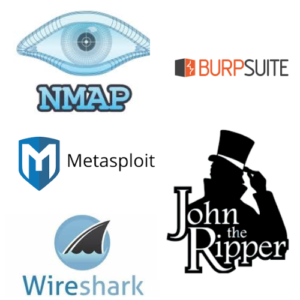
- Nmap: Network mapping and port scanning tool.
- Wireshark: Network protocol analyzer.
- Metasploit: Penetration testing framework.
- Burp Suite: Web vulnerability scanner.
- John the Ripper: Password cracking tool.
Benefits of Ethical Hacking
- Proactive Vulnerability Identification
Ethical hacking helps organizations identify and fix security vulnerabilities before they can be exploited by malicious actors.
- Improved Security Posture
By regularly testing their systems, organizations can strengthen their security measures and reduce the risk of cyber attacks.
- Regulatory Compliance
Many industries have stringent regulatory requirements for data security. Ethical hacking helps organizations comply with these regulations and avoid penalties.

- Enhanced Trust and Reputation
Organizations that invest in ethical hacking demonstrate a commitment to cybersecurity, enhancing their reputation and building trust with customers and partners.

Challenges and Ethical Considerations
- Legal and Ethical Boundaries
Ethical hackers must navigate complex legal and ethical landscapes, ensuring they have proper authorization and operate within agreed-upon boundaries.
- Skill and Expertise
Ethical hacking requires a high level of expertise and constant learning to stay ahead of emerging threats. Finding skilled professionals can be challenging.
- Balancing Security and Functionality
Ethical hackers must balance the need for security with the functional requirements of the system, ensuring that security measures do not hinder usability.
- Cost
Conducting thorough penetration tests can be costly, especially for small organizations. However, the investment is often justified by the potential cost of a security breach.

Ethical hacking is a crucial component of modern cybersecurity, providing a proactive approach to identifying and mitigating vulnerabilities. By understanding the methods and benefits of ethical hacking, organizations can better protect their digital assets and ensure a safer online environment for all. As cyber threats continue to evolve, the role of ethical hackers will only become more vital in safeguarding the digital frontier.