
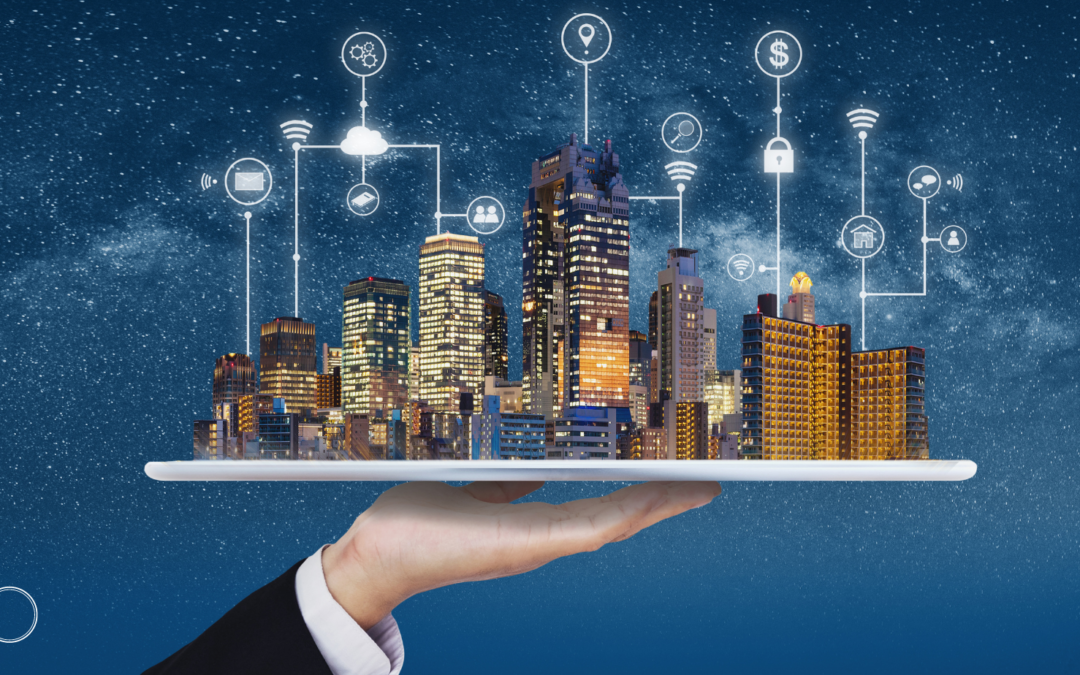
In the rapidly evolving landscape of technology, “smart technologies” have emerged as a transformative force, reshaping how we interact with the world around us. From smart homes to wearable devices, these innovations are designed to enhance efficiency, improve convenience, and provide us with unprecedented control over our environments. But what exactly are smart technologies, and how are they making a difference in our daily lives?
What Are Smart Technologies?
Smart technologies refer to devices and systems that use advanced computing, sensors, and connectivity to collect and analyze data, enabling them to operate autonomously or semi-autonomously. These technologies are often embedded with artificial intelligence (AI) and machine learning capabilities, allowing them to learn from user behavior and adapt accordingly.
Key Components of Smart Technologies
- Sensors – Devices that detect changes in the environment, such as temperature, motion, light, and sound.
- Connectivity – The ability to connect to the internet and communicate with other devices, often via Wi-Fi, Bluetooth, or cellular networks.
- Data Processing – Utilizing AI and machine learning to analyze data and make decisions.
- User Interface – The means through which users interact with the technology, such as smartphone apps or voice commands.
Categories of Smart Technologies
Smart Homes
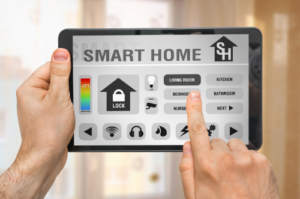
Smart home technologies integrate various devices and systems within a household to improve convenience, security, and energy efficiency. Key examples include:
- Smart Thermostats – Devices like the Nest Thermostat learn your schedule and adjust the temperature accordingly, saving energy and reducing costs.
- Smart Lighting – Systems such as Philips Hue allow you to control lighting remotely and create customized lighting schedules.
- Smart Security Systems – These include smart locks, video doorbells, and surveillance cameras that can be monitored and controlled via smartphone apps.
Wearable Devices
Wearable technologies are gadgets worn on the body that often track health and fitness metrics.
- Smartwatches – Devices like the Apple Watch monitor heart rate, track workouts, and provide notifications from your smartphone.
- Fitness Trackers – Products such as Fitbit track steps, sleep patterns, and other physical activities to help users stay healthy and active.
- Smart Glasses – Augmented reality (AR) glasses, like Google Glass, overlay digital information onto the real world, assisting with navigation, translation, and more.

Smart Appliances
These are everyday household devices enhanced with smart technology to offer greater convenience and efficiency.
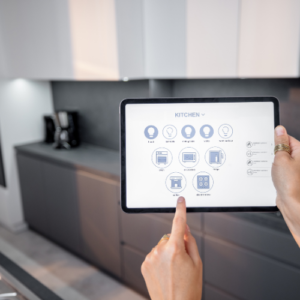
- Smart Refrigerators – Equipped with touchscreens and internet connectivity, these refrigerators can suggest recipes, keep track of grocery inventories, and even order groceries online.
- Smart Washing Machines – These appliances allow users to start, stop, and monitor laundry cycles remotely using a smartphone app.
- Smart Ovens – Devices like the June Oven come with pre-programmed cooking settings and can be controlled via voice commands or a mobile app.
Smart Transportation
Smart technology is also transforming transportation, making travel safer, more efficient, and more enjoyable.
- Electric and Autonomous Vehicles – Companies like Tesla are at the forefront, with cars that offer autopilot features, over-the-air updates, and extensive connectivity.
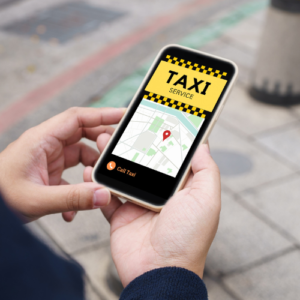
- Ride-Sharing Services – Platforms like Uber and Lyft use smart algorithms to connect drivers with passengers efficiently.
- Smart Public Transit – Systems that provide real-time updates, mobile ticketing, and optimized routing to improve the user experience.
Benefits of Smart Technologies
Enhanced Convenience
Smart technologies simplify everyday tasks, allowing users to control devices and access information seamlessly. For example, you can adjust your home’s temperature, lighting, and security system from your smartphone, even when you’re away.
Improved Efficiency
By learning user habits and optimizing operations, smart technologies can significantly reduce energy consumption and operational costs. Smart thermostats, for instance, ensure that heating and cooling systems run only when necessary.

Increased Safety and Security
Smart security systems provide real-time monitoring and alerts, enhancing the safety of your home. Wearable health devices can detect anomalies in your health metrics and alert you to potential issues.
Personalized Experiences
AI-powered devices learn from user behavior to offer personalized recommendations and settings. For example, a smart music system can curate playlists based on your listening habits.
Challenges and Considerations
Privacy Concerns
With increased connectivity comes the risk of data breaches and privacy invasion. It’s crucial for users to understand the data policies of their smart devices and take steps to protect their information.

Cost
Smart technologies can be expensive to purchase and maintain. However, the long-term savings in energy costs and the added convenience can often justify the initial investment.
Compatibility Issues
Not all smart devices are compatible with each other. It’s essential to research and choose systems that can integrate smoothly to avoid fragmentation.

Conclusion
Smart technologies are undeniably transforming the way we live, work, and play. By embracing these innovations, we can enjoy enhanced convenience, efficiency, and security in our daily lives. However, it’s important to be mindful of the challenges and take proactive steps to mitigate potential risks. As technology continues to advance, the future holds even more exciting possibilities for smart living.